
As of October 26, 2026, the memory cycle on the Korean exchange is running in two directions at once. SK Hynix and Samsung Electronics are days from reporting third-quarter results that consensus forecasts put at an all-time record, yet SK Hynix closed at 1.277 million won on Oct 23, 56.25% below its June 22 close of 2.919 million won. That gap between operating performance and market pricing is the problem investors now have to resolve.
A record quarter, still unconfirmed
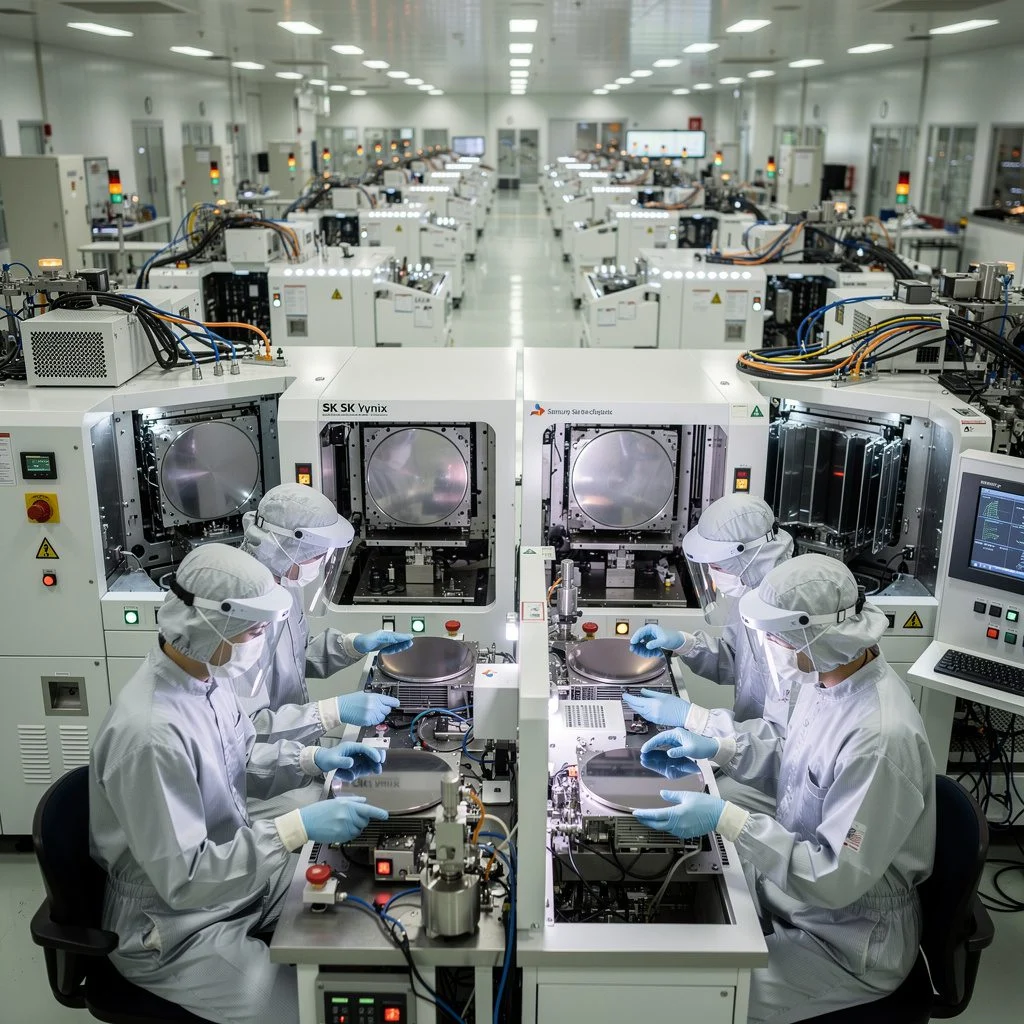
Nothing is reported yet. Yonhap News Agency writes that SK Hynix discloses results on Oct 28 and Samsung on Oct 29, with the market forecasting combined operating profit of about 185 trillion won, an all-time high; a Newsis tally of the same forecasts totals 184 trillion won.
Samsung’s preliminary release is in hand: Newsis reports the company said on Oct 8 that third-quarter revenue reached 195 trillion won and operating profit 107.4 trillion won. For SK Hynix the forecasts diverge — ZDNet Korea cites 76.964 trillion won of operating profit, an Yonhap Infomax survey of ten brokerages gives 75.9712 trillion won, and FnGuide’s average sits near 77 trillion won.
What is driving the profit?
Memory pricing and accelerator demand. HBM4 revenue tied to Nvidia’s Vera Rubin AI accelerator was booked at scale in third-quarter sales, Maeil Business reported, and Yonhap attributed the quarter to expanded HBM4 supply alongside rising DRAM prices.
TrendForce data in the same report shows conventional DRAM contract prices up 13-18% quarter on quarter in the third quarter, with a further 10-15% gain expected in the fourth. FnGuide-derived operating margin forecasts reach 78.4%, and Newsis notes industry expectations of an SK Hynix margin approaching 80%.
Why are shares falling while profits rise?
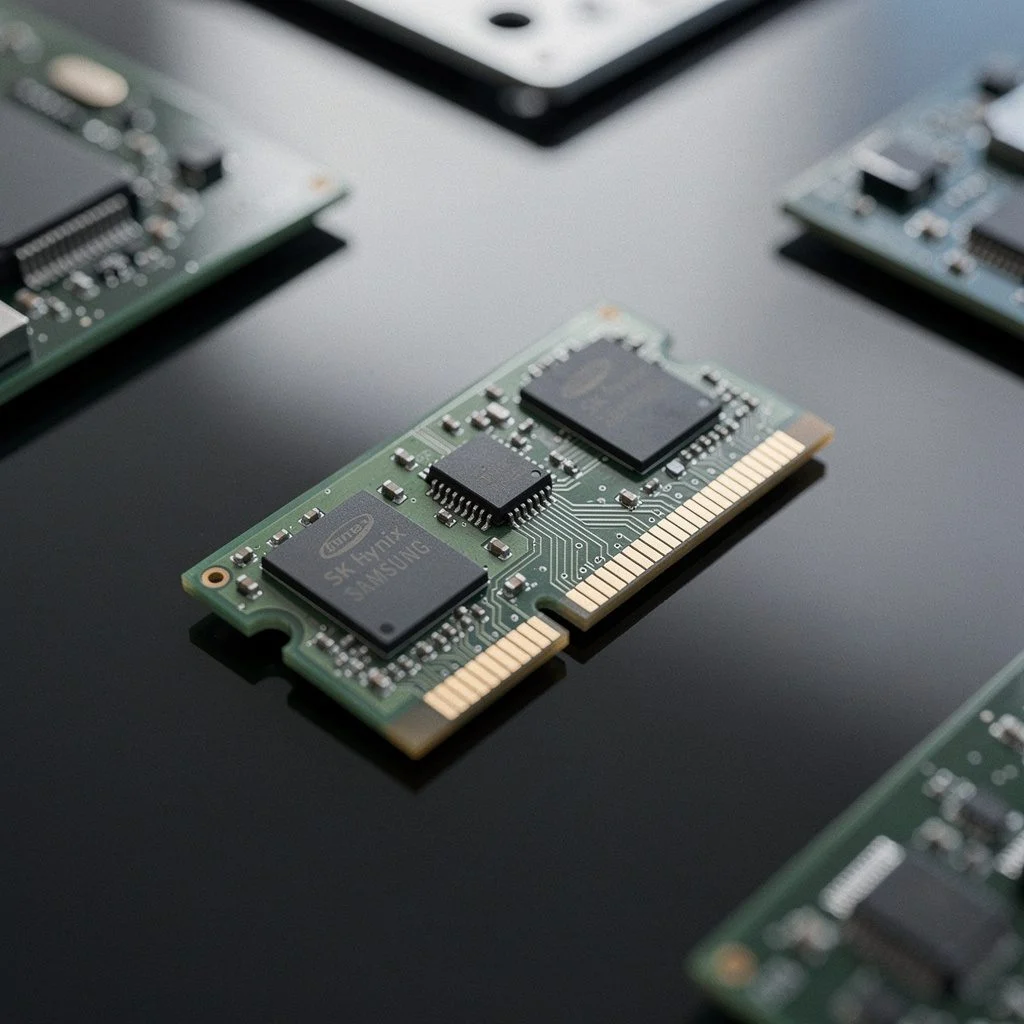
Yonhap News Agency reported the stock closed at 1.277 million won on Oct 23, up 4.42% on the day, after SK Hynix said before the open it would halt a US listing review for subsidiary Solidigm. Market capitalisation slipped to 932.84 trillion won and its KOSPI weighting fell to 20.36%.
The drivers were macro and sentiment rather than operations: unfavourable inflation and rate conditions, persistent doubt about returns on AI investment, and the Solidigm dual-listing controversy. Foreign investors sold a net 15.4299 trillion won of SK Hynix over the one-month window from Sept 23, 2026 to Oct 23, 2026 — a stretch in which the close fell 31.4%, from 1.862 million won to 1.277 million won — Edaily reported.
Solidigm, the ADR gap, and cash returns
Halting the Solidigm review removed one overhang, per Edaily: it eased concern that a separate listing would damage shareholder value. The ADR spread remains — DS Investment & Securities put the premium over local shares at 46.8% on Oct 21, widening from a 25.6% July average to 34.2% in August and 40.0% in September.
SK Hynix finished a 40 trillion won buyback on Oct 21 and plans to cancel the shares in full, while Samsung expects 90-110 trillion won of shareholder-return capacity this year, including roughly 30 trillion won of dividends.
Risks to watch
The conference calls matter more than the headline. Brokerage estimates cited by Maeil Business put the foundry division near a 1 trillion won third-quarter loss, so any deviation changes the mix. All sources here were written before the Oct 28 and Oct 29 disclosures.
Disclaimer: This article is for informational purposes only and does not constitute financial advice. Cryptocurrency investments carry significant risk. Always conduct your own research before making investment decisions.