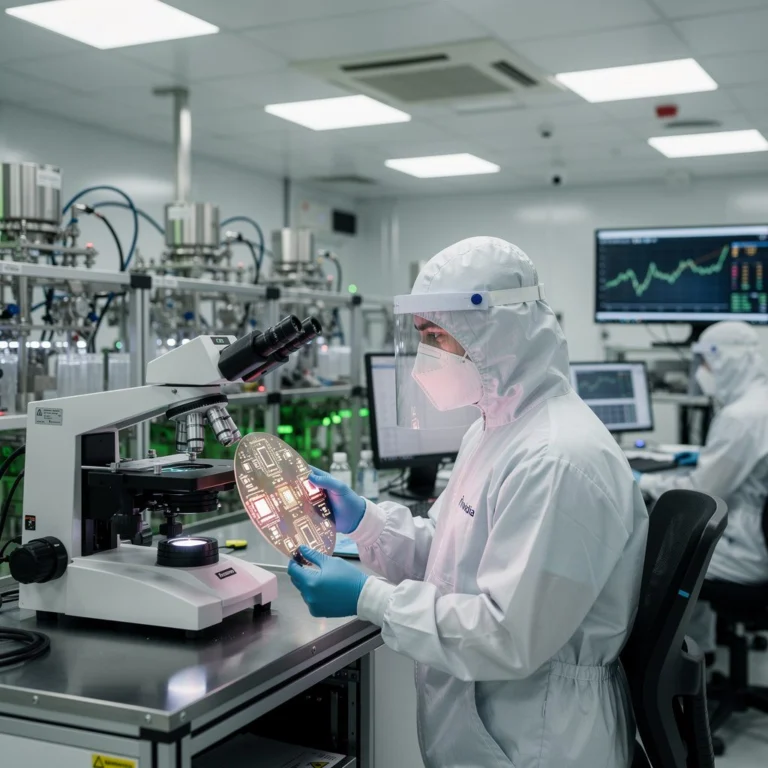

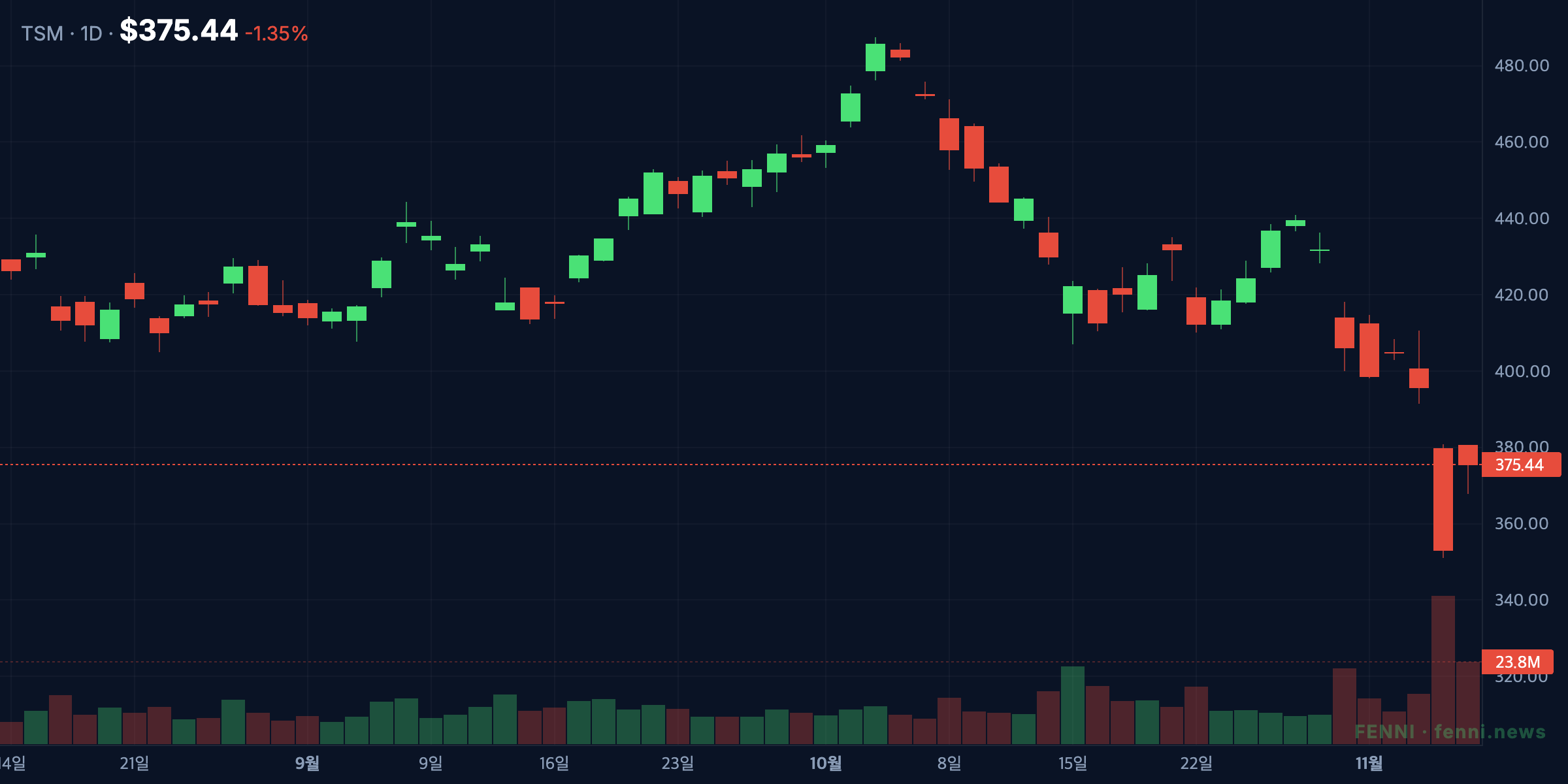
Taiwan Semiconductor Manufacturing Co. is weighing a step that would redraw the AI hardware supply chain. As of the November 6, 2026 trading close, TSMC shares had already jumped 7.5% in premarket trading Friday on a TokenPost report that the chipmaker is considering producing 3D dynamic random-access memory after a request from Nvidia. No project has been confirmed.
Key Takeaways
- ▲ TSMC is considering 3D DRAM production after a Nvidia request and has begun planning at Nvidia’s request, per TokenPost.
- ■ 3D DRAM stacks memory cells vertically to fit more capacity, unlike conventional single-layer DRAM.
- ■ Samsung Electronics, SK hynix and Micron Technology dominate memory and are developing their own 3D DRAM.
- ▼ Chip stocks remain in a deep drawdown: the Philadelphia Semiconductor Index has fallen 37% from its recent peak.
What TSMC Is Actually Considering
The distinction matters. TSMC is considering producing 3D dynamic random-access memory after a request from Nvidia, a move that could expand the chipmaker’s role in the AI hardware supply chain. It has begun planning production at Nvidia’s request, and the proposed technology stacks memory cells vertically to fit more capacity, while conventional DRAM places its cells in a single layer. MarketBeat‘s weekly news roundup likewise calls it a possibility, not a confirmed project.
Why Nvidia Is Asking
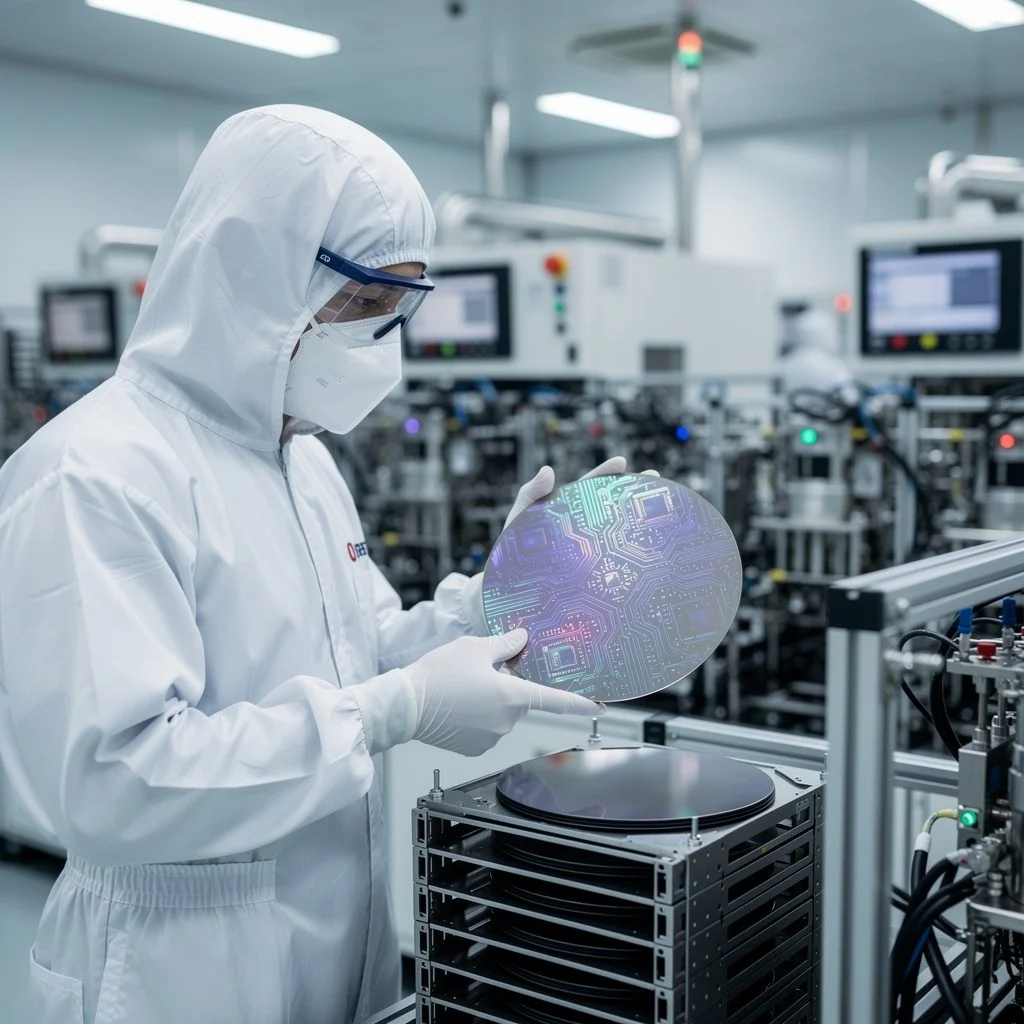
Nvidia’s own disclosure explains the urgency. That supply limitation involves memory availability and data center capacity, which management said restrict deliveries even as customer forecasts indicate stronger potential growth, Yahoo Finance reported. TSMC would enter an occupied field: memory manufacturing is currently dominated by Samsung Electronics, SK hynix and Micron Technology, and those three companies are developing their own 3D DRAM technology.
A Report Landing Inside a Selloff
TSMC shares rose 7.5% in premarket trading Friday, against a brutal tape. On November 5, the Nasdaq 100 plunged 6.36%, while the S&P 500 fell 4.36% as investors rushed out of chipmakers and other artificial intelligence stocks, and Nvidia fell 9.26%, wiping out its gains for 2026. As the Democrats took control of both the House and Senate in the U.S. midterm elections, concerns grew that regulations on AI data center construction could be tightened.
Bank of America sees a potential recovery in semiconductor stocks in early 2027 as improving U.S. policy clarity, corporate buybacks and relatively attractive valuations help ease concerns, although investors may need to wait for earnings estimate cuts before the sector finds a durable bottom.

What Could Go Wrong
One risk is confirmation: a planning effort reported by unnamed sources can stall. The other is demand, tied to the customer doing the asking. Stratechery’s Ben Thompson argued that “Nvidia will almost certainly be a short-term loser,” and fewer data centers mean fewer NVIDIA chips, he argued. Yorkville Ives’ Dan Ives estimates that of the 800 to 1,000 data centers planned across the U.S., “10% of datacenters will not happen now.” Valuation cuts both ways: Analysts haven’t cut their forecasts yet, but NVIDIA’s forward P/E has already fallen to 15x, its lowest of the past year.
What to Watch Next
- Whether TSMC publicly confirms a 3D DRAM plan, and at what scale.
- Nvidia’s earnings after markets close on November 17.
- Memory pricing, which decides a second supplier’s worth.
Frequently Asked Questions
Is TSMC confirmed to be making 3D DRAM?
No. The report says TSMC is considering the move and has begun planning at Nvidia’s request.
Whom would TSMC be competing with?
Samsung Electronics, SK hynix and Micron Technology, which dominate memory today and are developing their own 3D DRAM technology.
Disclaimer: This article is for informational purposes only and does not constitute financial advice. Cryptocurrency investments carry significant risk. Always conduct your own research before making investment decisions.