
As of August 28, 2026, a federal judge in California has vacated the Pentagon’s effort to blacklist Anthropic as a supply-chain risk. The court found that the earlier designation violated the First Amendment, according to CNBC’s report on the ruling. The decision removes the designation at the center of the dispute, but it should not be read as a final answer to every question surrounding military procurement, artificial intelligence, or national security.
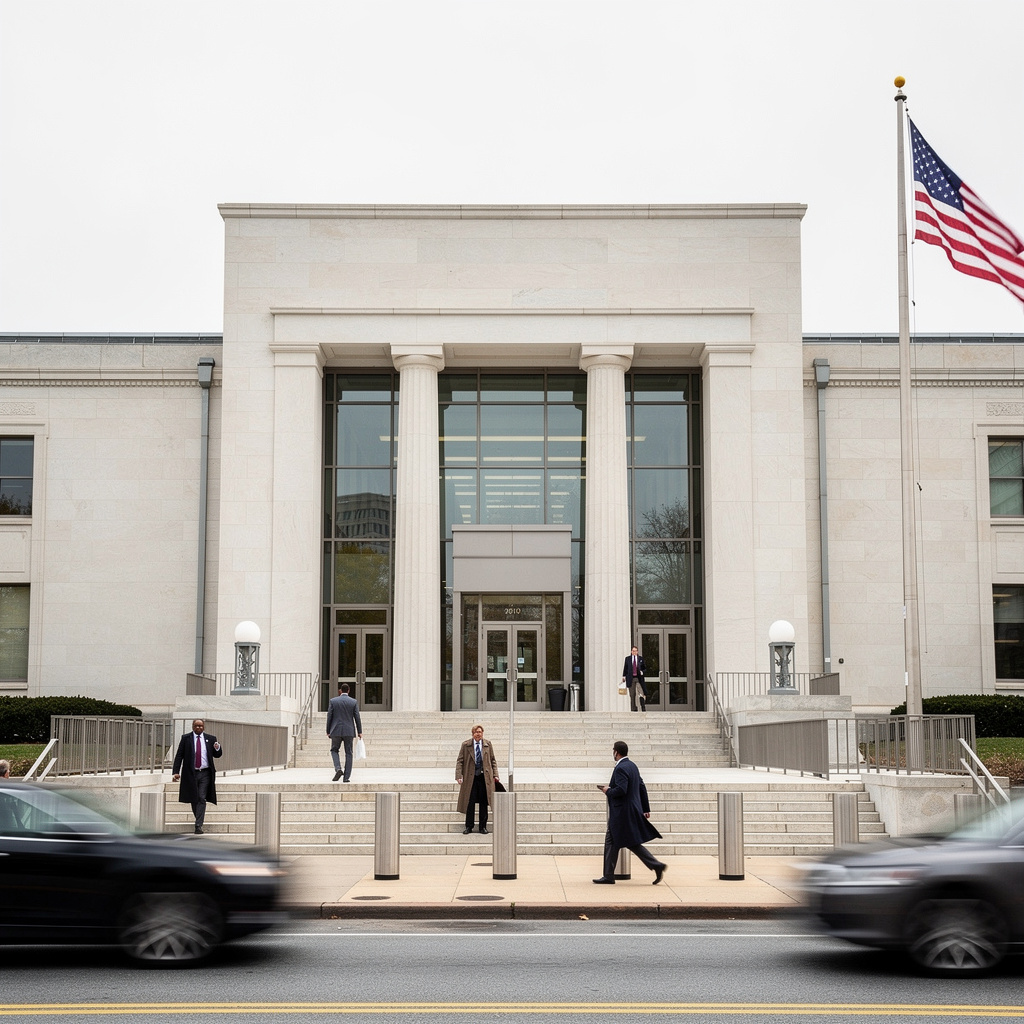
The court rejects the designation
The verified record supports a narrow but consequential conclusion: the Pentagon’s attempt to place Anthropic on a supply-chain-risk blacklist did not survive judicial review. By vacating the designation, the court changed Anthropic’s immediate legal position and rejected the government’s action on constitutional grounds. The available evidence does not establish a new procurement policy, identify a permanent settlement between the parties, or show that every restriction affecting the company has disappeared. Those distinctions matter because a court order directed at one designation is not the same as a comprehensive rewrite of defense acquisition rules.
What changes for AI procurement
For companies that sell advanced technology to the government, the ruling highlights the commercial weight of official risk labels. A supply-chain designation can influence whether agencies and contractors view a vendor as eligible, dependable, or exposed to additional review. Vacating Anthropic’s label therefore reduces a specific source of uncertainty. It does not, however, eliminate the Pentagon’s responsibility to assess security risks or prevent future disputes over how those assessments are made. The immediate result is legal clarity around this challenged action, not a guarantee of unrestricted access to defense work.
A wider and separate AI backdrop
The decision arrives amid intense competition over AI capital and government policy, although those developments did not cause the ruling. In a separate report, CNBC said DeepSeek was seeking outside capital as its funding needs grew and support from its founder’s hedge-fund business became insufficient. Another same-day report said President Donald Trump raised the possibility of sanctioning Chinese banks as U.S. and Chinese officials met. Together, these items illustrate an environment in which AI financing, security policy, and geopolitics increasingly overlap. They are context only and provide no evidence about the legal merits of Anthropic’s case.
The verified bottom line
The strongest supported takeaway is straightforward: a federal judge blocked the Pentagon’s blacklist effort and vacated the supply-chain-risk designation after finding a First Amendment violation. The ruling eases the immediate threat created by that label and gives technology suppliers another example of government risk decisions facing constitutional scrutiny. Its wider effect will depend on later legal and procurement developments that are not established by the current evidence. Investors, contractors, and policymakers should separate the court’s verified action from speculation about future Pentagon policy or the long-term relationship between defense agencies and AI developers.
Affiliate Disclosure: This page contains affiliate links. FENNI may earn a commission at no extra cost to you.
Disclaimer: This article is for informational purposes only and does not constitute financial advice. Cryptocurrency investments carry significant risk. Always conduct your own research before making investment decisions.