

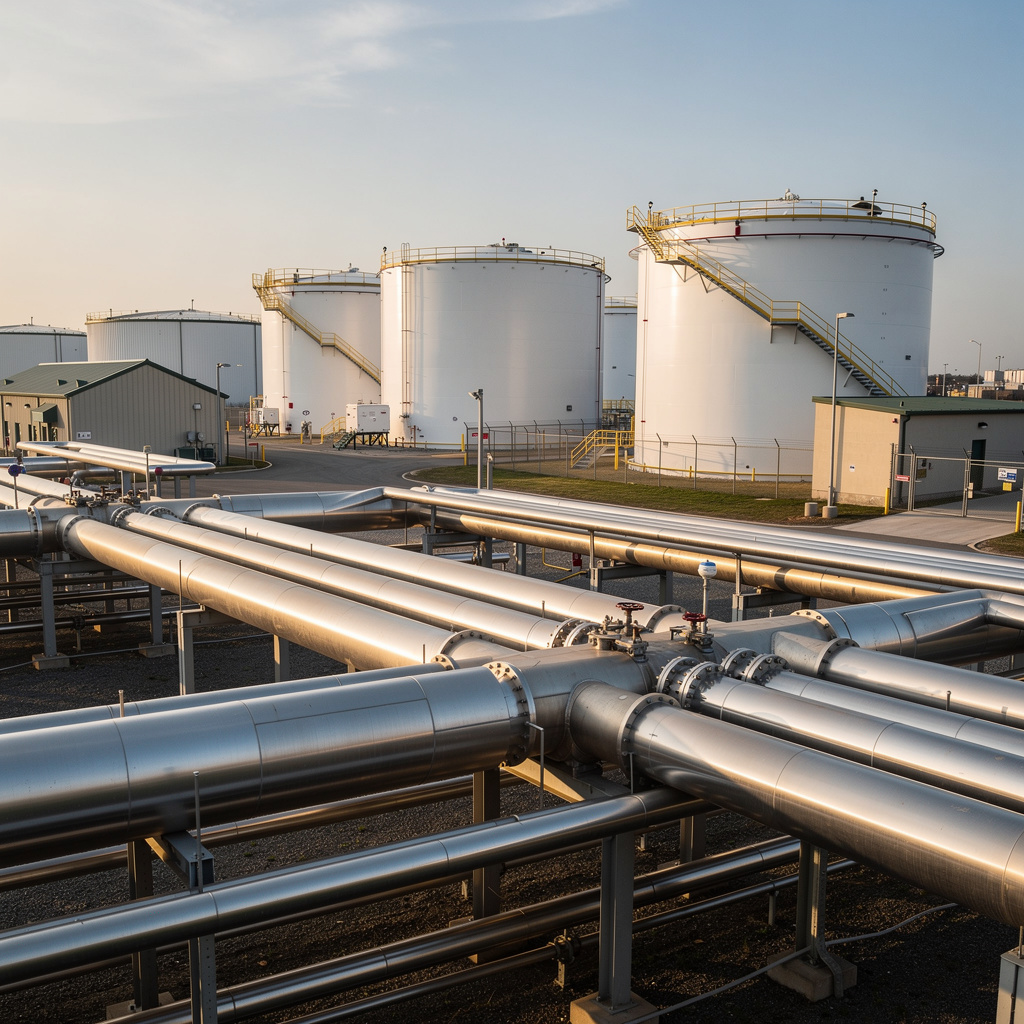
As of August 27, 2026, the US Energy Information Administration has recorded eight petroleum liquids pipeline projects completed since the start of 2025. The figure comes from the agency’s 2026 Liquids Pipeline Projects Database, making it a specific infrastructure count rather than a general forecast for oil production, demand, or prices.
What the EIA project count establishes
The database result provides a concrete snapshot of projects that reached completion during the stated period. It shows that pipeline development continued, but it does not by itself reveal how much new capacity is operating, how heavily each line is being used, or whether the projects increased total petroleum supply. Completion is an important construction milestone; throughput and utilization are separate operating measures.
The distinction also keeps the eight-project total in its proper scope. It should not be read as the complete number of pipeline projects worldwide, a ranking against earlier years, or proof that US fuel demand is rising. Those conclusions would require historical comparisons, project-level capacity data, and market statistics that are not established by the verified material used here.
Why transport infrastructure still matters
Petroleum markets depend on routes that move liquids between producing regions, storage hubs, refineries, and consuming markets. That logistical role is easier to see when transport options become constrained. A separate verified account of the Strait of Hormuz notes that roughly one-fifth of the world’s oil historically passed through the narrow waterway. The comparison does not equate pipelines with maritime chokepoints, but it illustrates why the location and resilience of energy routes can matter.
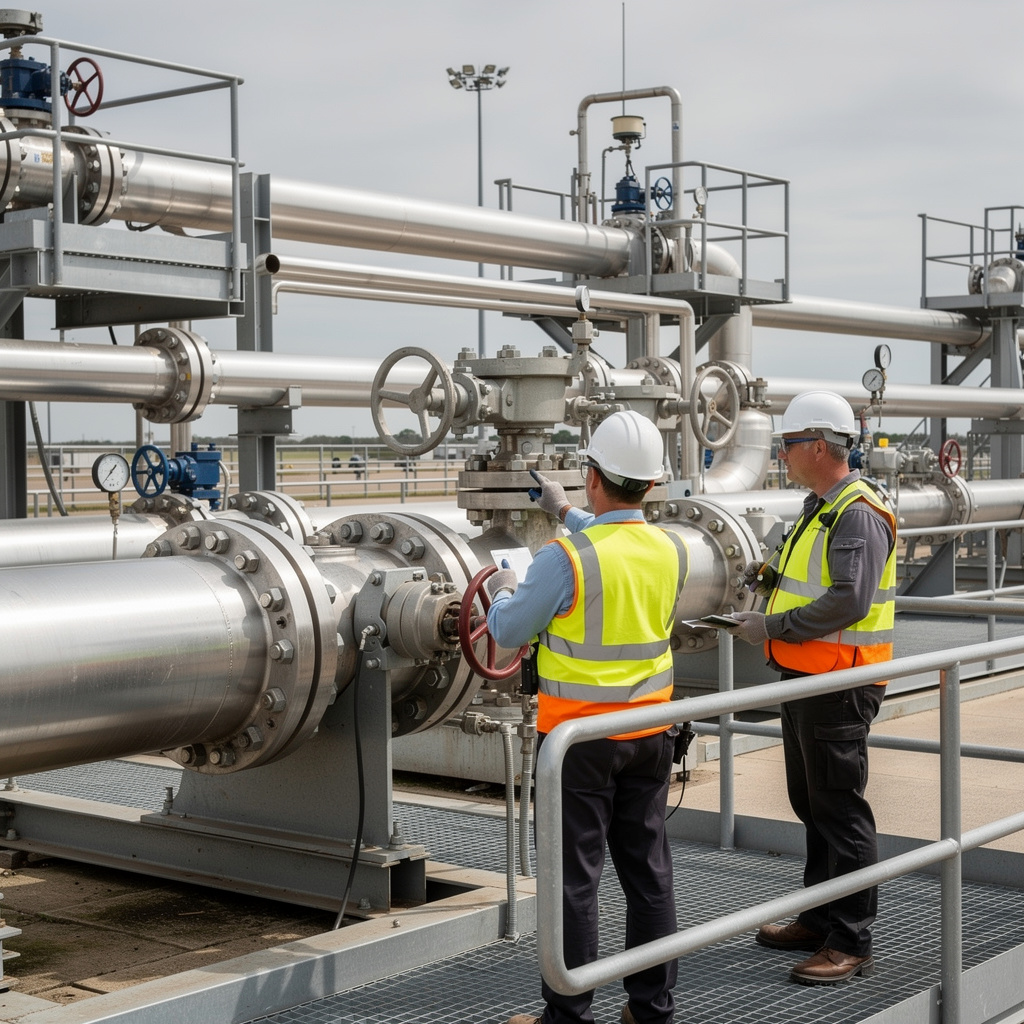
Even so, the EIA completion count alone cannot support a price call. More pipelines may add flexibility in some corridors, yet their market effect depends on origin, destination, capacity, competing routes, and actual flows. Without those details, claims about lower transport costs, higher production, or reduced fuel prices would be speculative.
A useful signal with firm evidence limits
The wider verified source collection includes unrelated material, including a corporate news record. Reviewing and excluding such records is essential because they do not corroborate petroleum infrastructure claims. Their presence in the collection must not be treated as extra support for the EIA result.
The defensible takeaway is therefore narrow but meaningful: the EIA tracked eight petroleum liquids pipeline projects completed from the start of 2025 through its 2026 database release. The number documents recent construction activity and gives market participants a starting point for further project-level analysis. It does not, on its own, establish changes in throughput, supply, demand, or petroleum prices.
Affiliate Disclosure: This page contains affiliate links. FENNI may earn a commission at no extra cost to you.
Disclaimer: This article is for informational purposes only and does not constitute financial advice. Cryptocurrency investments carry significant risk. Always conduct your own research before making investment decisions.