
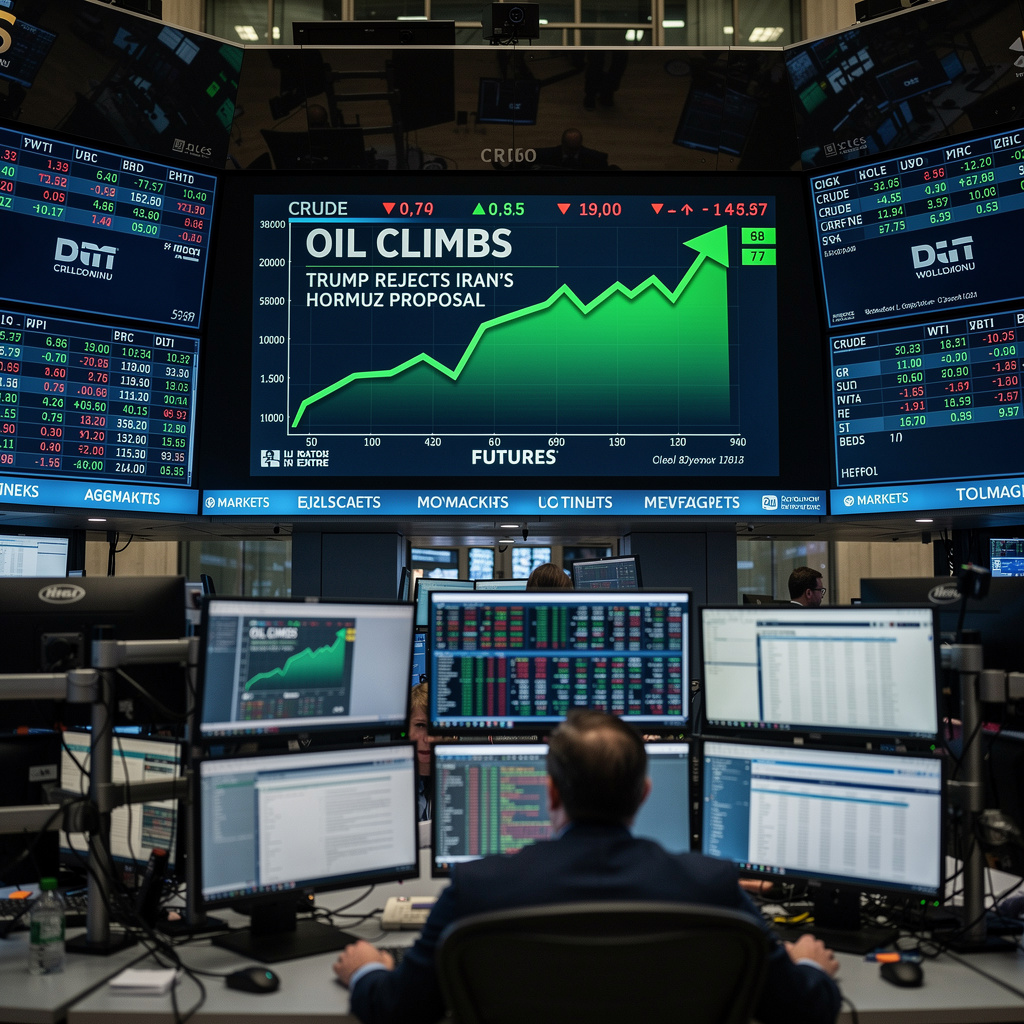
As of September 28, 2026, oil prices are climbing and U.S. stock futures are slipping after President Donald Trump rejected Iran’s latest proposal to reopen the Strait of Hormuz. The Sunday-evening move, reported by Seeking Alpha, puts renewed pressure on markets already contending with high interest rates and inflation concerns, and it sets an energy-led tone for the new trading week.
Key Takeaways
- ▲ Oil prices rose Sunday evening after Trump rejected Iran’s proposal to reopen the Strait of Hormuz.
- ▼ U.S. stock futures declined alongside the oil bid, and sustained higher crude may weigh on equity valuations.
- ■ Incoming inflation and employment data, plus Fed rate-increase expectations, keep the week’s direction data-dependent.
Hormuz Rejection Puts Oil Back on the Front Foot
Per Seeking Alpha’s report, published September 27, 2026 at 7:51 PM ET by SA News Editor Rob Williams, oil prices rose and U.S. stock futures (SPX) declined Sunday evening after President Trump rejected Iran’s latest proposal to reopen the strait, putting renewed pressure on markets already contending with high interest rates and inflation concerns. The accessible portion of the report carried no verified Brent or WTI price print, so the size of the move is unstated here; the direction is not. Renewed tension over the strait has pushed oil higher, threatening to keep inflation elevated by increasing costs across the economy.
How Could Higher Oil Reach Bond Yields and Stock Valuations?
The transmission chain set out in the same report runs from energy costs to the wider tape. Sustained higher oil prices may keep bond yields elevated and pressure stock valuations by fueling inflation concerns and raising borrowing costs. Expectations of further Fed rate increases add to market risk, with incoming inflation and employment data likely to guide policy expectations. The Hormuz headline lands on a market already sensitive to the price of money.

A Thin Earnings Calendar Leaves the Macro in Charge
Monday’s micro calendar offers little counterweight. The only named pre-market earnings are Kandi Technologies Group (KNDI) and Palatin Technologies (PTN), according to Seeking Alpha’s earnings calendar. After the close, Vail Resorts (MTN) reports Q4 FY2026 results with consensus expectations of an EPS loss of $5.37, 5.7% worse year over year, on consensus revenue of $269.3 million, down 0.6%. With a slate that thin, the tape is likely to stay macro-dominated, leaving the Hormuz premium and Fed expectations as the drivers.
Strategic Stockpiles: The Structural Story Behind the Bid
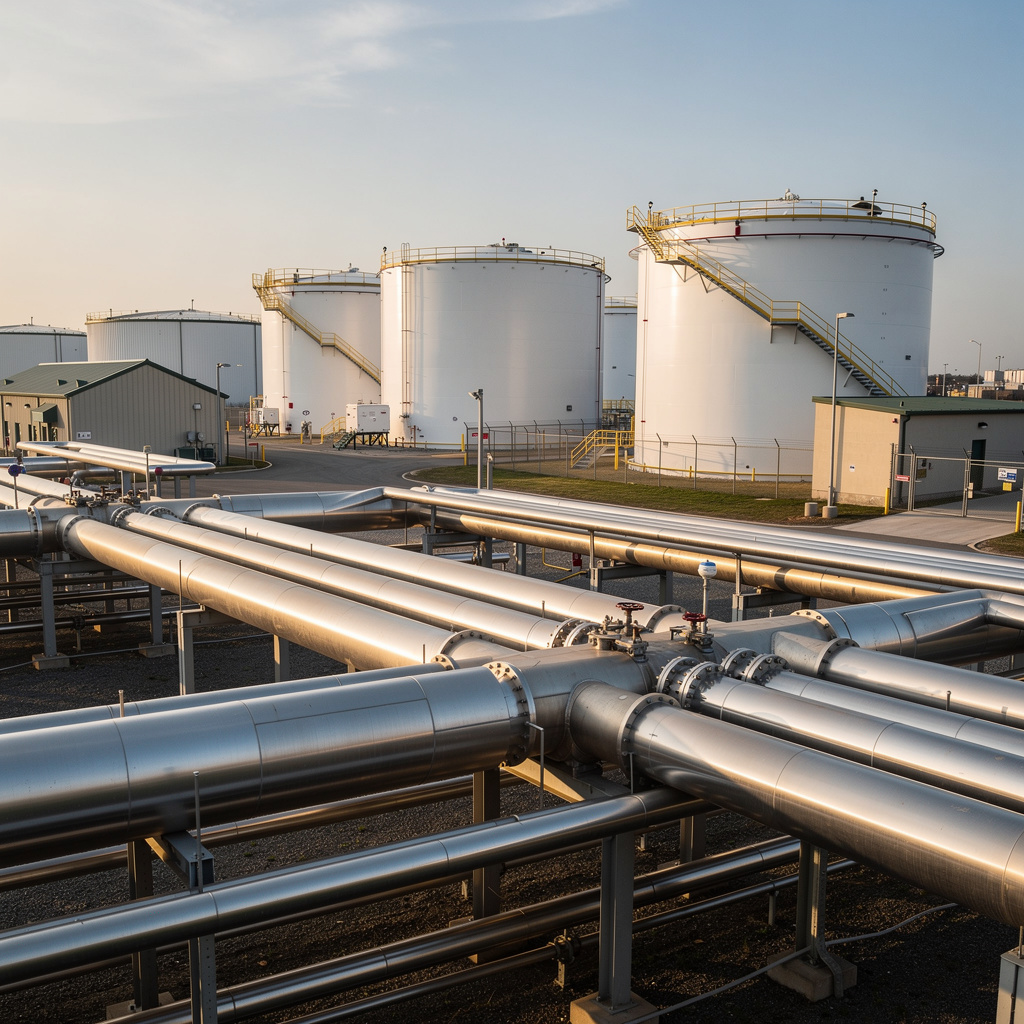
Behind the tactical oil move sits a longer supply-security story. Stifel research summarized by ZeroHedge argues the bottleneck is critical materials, not just crude: China is a top-four supplier for 14 of 31 minerals and the single largest for eight, and the U.S. tungsten stockpile has drawn down over roughly 25 years, a drawdown the analysts say must be reversed for national security reasons. Physical-supply scarcity, in short, carries a persistent risk premium.
Frequently Asked Questions
What happened between Trump and Iran over the Strait of Hormuz?
On Sunday, September 27, 2026, President Trump rejected Iran’s latest proposal to reopen the Strait of Hormuz, putting renewed pressure on markets already contending with high interest rates and inflation concerns.
Why did stock futures fall while oil rose?
Renewed Hormuz tension pushed oil higher, threatening to keep inflation elevated through economy-wide costs; sustained higher oil may keep bond yields elevated and pressure stock valuations via higher borrowing costs.
Which earnings reports are due Monday?
Kandi Technologies Group (KNDI) and Palatin Technologies (PTN) are the named pre-market reports, and Vail Resorts (MTN) reports after the close with consensus EPS of -$5.37.
Affiliate Disclosure: This page contains affiliate links. FENNI may earn a commission at no extra cost to you.
Disclaimer: This article is for informational purposes only and does not constitute financial advice. Cryptocurrency investments carry significant risk. Always conduct your own research before making investment decisions.