
Record memory prices have stopped being a memory-industry story and become a cost problem for the PC industry that buys the chips. As of November 2, 2026, market researcher DRAMeXchange put the October average fixed contract price for PC-use general-purpose DRAM (DDR4 8Gb 1Gx8) at $27.5, an all-time high and roughly four times the $7 recorded in October last year, and Intel — the company that anchors the global PC supply chain — has already cut its fourth-quarter revenue outlook.
Key Takeaways
- ▲ PC DRAM contract prices reached $27.5 in October, 5.77% above September and about 9.5 times the level when the survey began in 2016.
- ▼ Intel shares fell 28.58% on October 30 after a fourth-quarter outlook that undershot the roughly $17 billion consensus.
- ■ Korea’s memory makers are signed into long-term customer agreements, and a Hana Securities analyst says the worry is payback speed rather than falling AI demand.
How far have DRAM contract prices run?
News1 reports the October figure of $27.5 was 5.77% above September’s $26, and about 9.5 times the $2.9 seen when the survey began in June 2016. TrendForce, the researcher’s parent, expects fourth-quarter PC DRAM contract prices to rise 13–18% from the prior quarter — a forecast, not a settled outcome. Proposals for 15–20% increases ran into buyer resistance, though TrendForce expects November benchmarks to edge slightly higher.
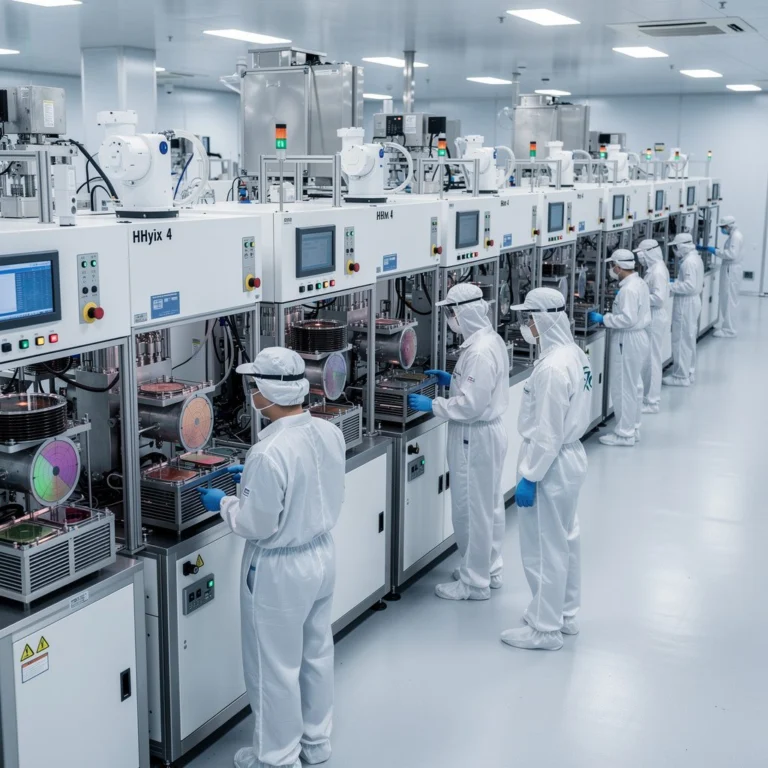
The mechanism is structural. Money Today reports major makers are concentrating on HBM and server DRAM, and that HBM consumes more wafers than ordinary DRAM, so the higher its production share climbs, the thinner the supply left for consumer memory. TrendForce expects Korean DRAM makers’ PC DRAM output to fall more than 20%; adjusting supply for PC makers’ purchasing cuts and long-term contracts, the expected supply reduction exceeds 40%.
Why Intel took the brunt of the shock
Intel’s third-quarter PC business revenue was $8.1 billion, down 9% from the prior quarter, and the company projected fourth-quarter revenue of $15–16 billion, below the $16.5 billion booked in the third quarter. Chosun Biz reports the guidance fell short of the roughly $17 billion consensus, and that Intel shares dropped 28.58% on October 30 — their largest one-day fall since July 1974, with memory-driven PC cost inflation and an accident at its Israel plant named as burdens on the outlook.
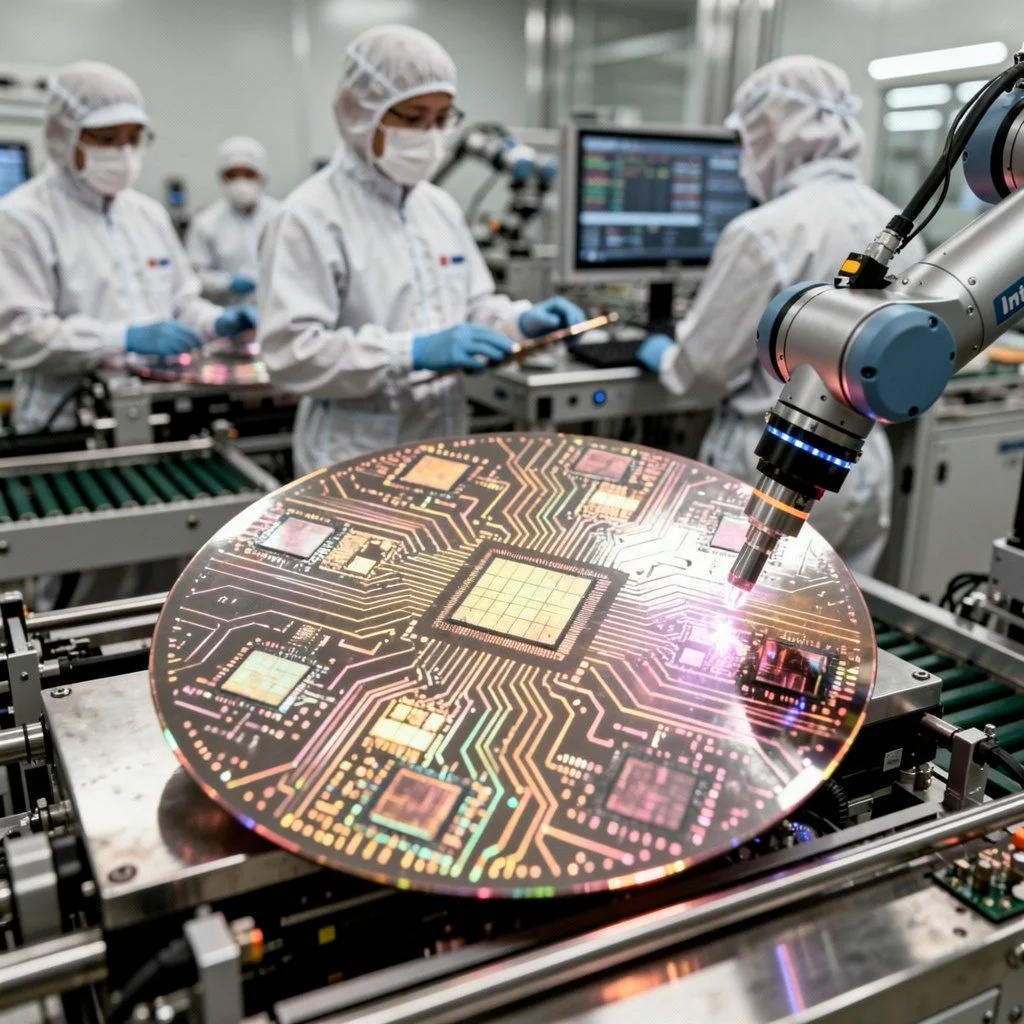
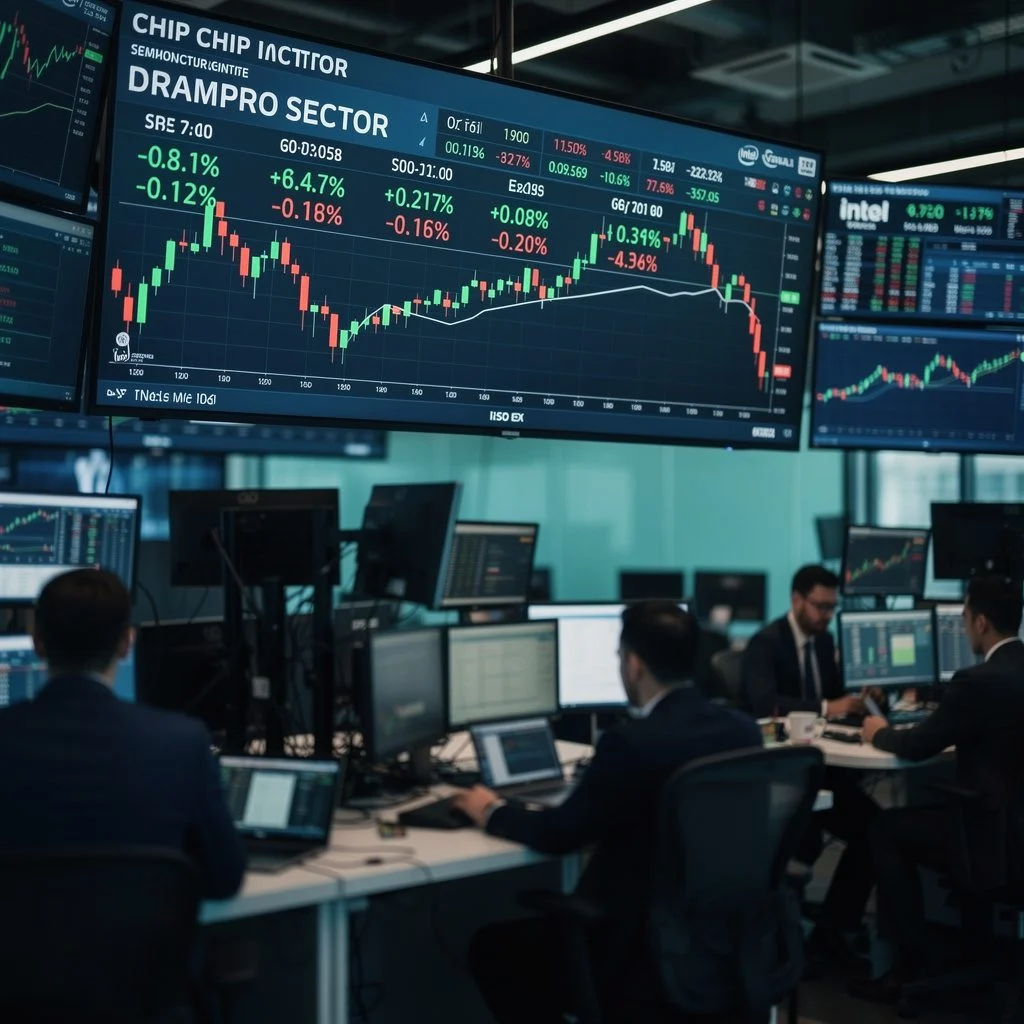
The reaction ran through the complex. E-Today reports Intel fell 28.58%, Micron 5.30% and AMD 10.88% on October 30, while the Philadelphia Semiconductor Index dropped 7.20%. Pulse adds that weak earnings outlooks from Alphabet, Intel and Amazon and mounting cash-flow pressures “reignited concerns over the profitability of the AI industry.”
Are Korea’s memory makers really insulated?
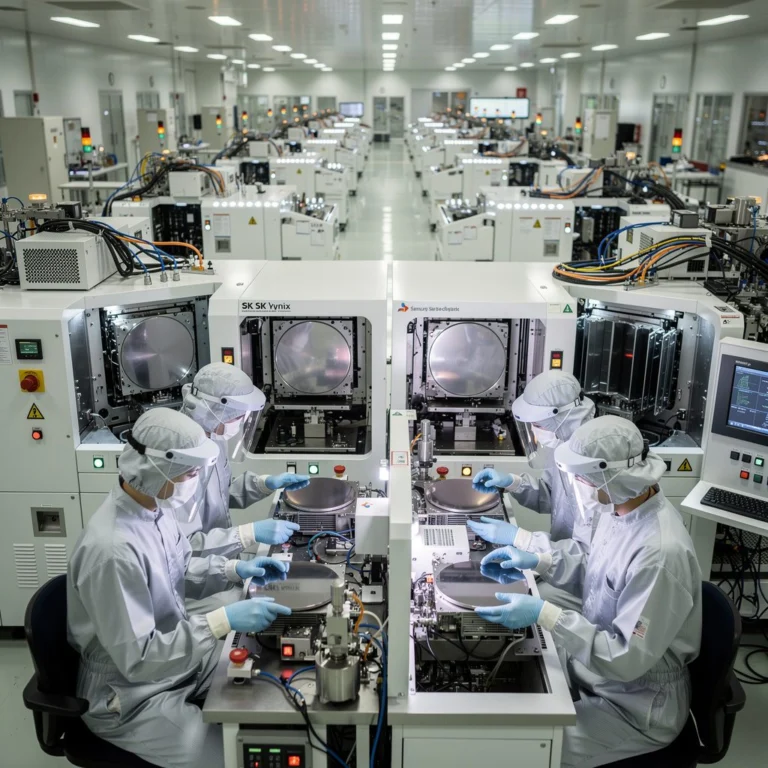
On earnings, so far yes; on price action, not entirely. Yonhap reports Samsung Electronics said on its October 29 third-quarter call that it has long-term agreements with 10 large customers and is negotiating with 10 more, while SK hynix has agreements with 14 customers including large cloud firms. SK hynix’s contracted volume exceeds half of its 2027–2028 total production capacity.
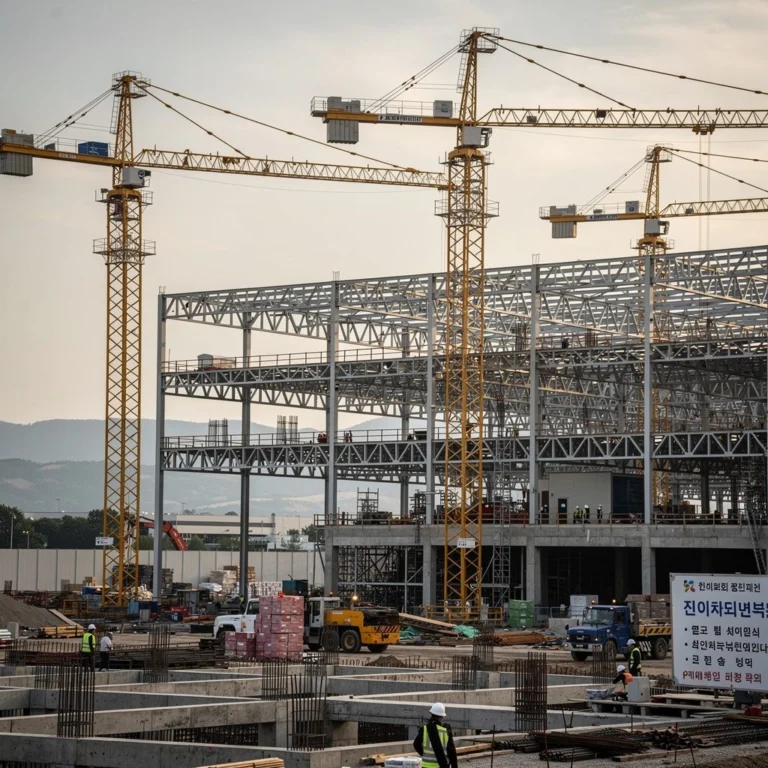
Both protect the downside at the point of order. Yonhap reports SK hynix vets customers’ financial health and funding capacity when planning investment, Samsung secures production space before adding equipment flexibly, and SK hynix advances structural work at Yongin and Cheongju M17 but ramps clean rooms in stages. E-Today reports Korea’s October semiconductor exports rose 259.4% from a year earlier to $56.44 billion, second only to September on record.
Equities did not decouple. Chosun Biz reports Samsung Electronics and SK hynix fell 3.33% and 3.10% in NXT premarket trading on November 2, and E-Today reports the Kospi opened 1.62% lower at 5637.77 before institutional buying returned it to a 0.80% decline, with institutions net buyers of KRW 194.2 billion.
What else is shifting inside Korea’s chip complex
THE ELEC reports Samsung has told 8-inch foundry customers it plans to end all production-line operations there by the end of 2030 — the first time it has put a firm end date on a business it had only said it would gradually shrink. Customers face thin alternatives: DB HiTek and SK keyfoundry have capacity committed, migrating to 12-inch processes would raise costs and require redesign and revalidation, Taiwan has little spare capacity, and China sourcing runs into end-customer restrictions.
At the leading edge, nodes are still being booked. THE ELEC reports design house CoAsia Semi began volume shipments of Samsung 4nm device wafers for a network switch chip larger than 800mm², staged through 2029 for $175 million (about KRW 233 billion), after pre-securing 4nm capacity.
What to watch next
Three markers matter: whether November benchmarks print slightly higher than October’s $27.5 and buyer resistance to 15–20% increases holds; whether Korean PC DRAM output falls as far as TrendForce’s 20%+ estimate; and whether pain spreads downstream, where Pulse reports auto-parts maker HL Mando fell as much as 12.15% early on November 2 after third-quarter operating profit fell 45% on year to KRW 51.5 billion, with brokerages citing rising memory procurement costs.
The sell side is cautious. Yonhap quotes Hana Securities analyst Kang Jae-gu saying there is insufficient basis to link Intel’s outlook to earnings declines at other chipmakers, and that the market’s concern is “investment payback speed and capital efficiency” rather than falling AI demand.
FAQ
What is the current PC DRAM contract price?
$27.5 for DDR4 8Gb 1Gx8 in October, an all-time high, according to DRAMeXchange data reported by Money Today and News1.
Why did Intel shares fall so sharply?
Its fourth-quarter guidance of $15–16 billion missed the roughly $17 billion consensus, and Chosun Biz names memory-driven PC cost inflation and an Israel plant accident as burdens on the outlook.
Is the AI memory demand story breaking?
Yonhap quotes a Hana Securities analyst saying the concern is payback speed rather than falling AI chip demand, while TrendForce still expects fourth-quarter PC DRAM contract prices to rise 13–18%.
Disclaimer: This article is for informational purposes only and does not constitute financial advice. Cryptocurrency investments carry significant risk. Always conduct your own research before making investment decisions.