

Samsung Electronics and SK hynix are locking in multi-year order books even as their shares slide. As of the Oct. 30, 2026 close, Samsung Electronics shares sat 39.9 percent below their 52-week intraday high and SK hynix shares 52.5 percent below theirs, according to Korea JoongAng Daily, after the pair posted a record combined third-quarter operating profit of 190.77 trillion won. The gap between what the two have already sold and how the market prices them is this week’s story.
Key Takeaways
- ▲ Samsung has sold out its entire HBM production capacity for next year and holds long-term agreements with 10 customers, while SK hynix has 14 agreements and says its DRAM and HBM output is effectively sold out through 2029.
- ▼ Both stocks fell despite record earnings, with Samsung down 3.02% and SK hynix down 7.08% at the Oct. 30 close as AI spending fears hit semiconductor shares.
- ■ Yuanta Securities expects a structural memory “Super Squeeze” through 2028 and a November rebound in large-cap chip stocks once supply-demand selling is absorbed.
What the Long-Term Contracts Actually Cover
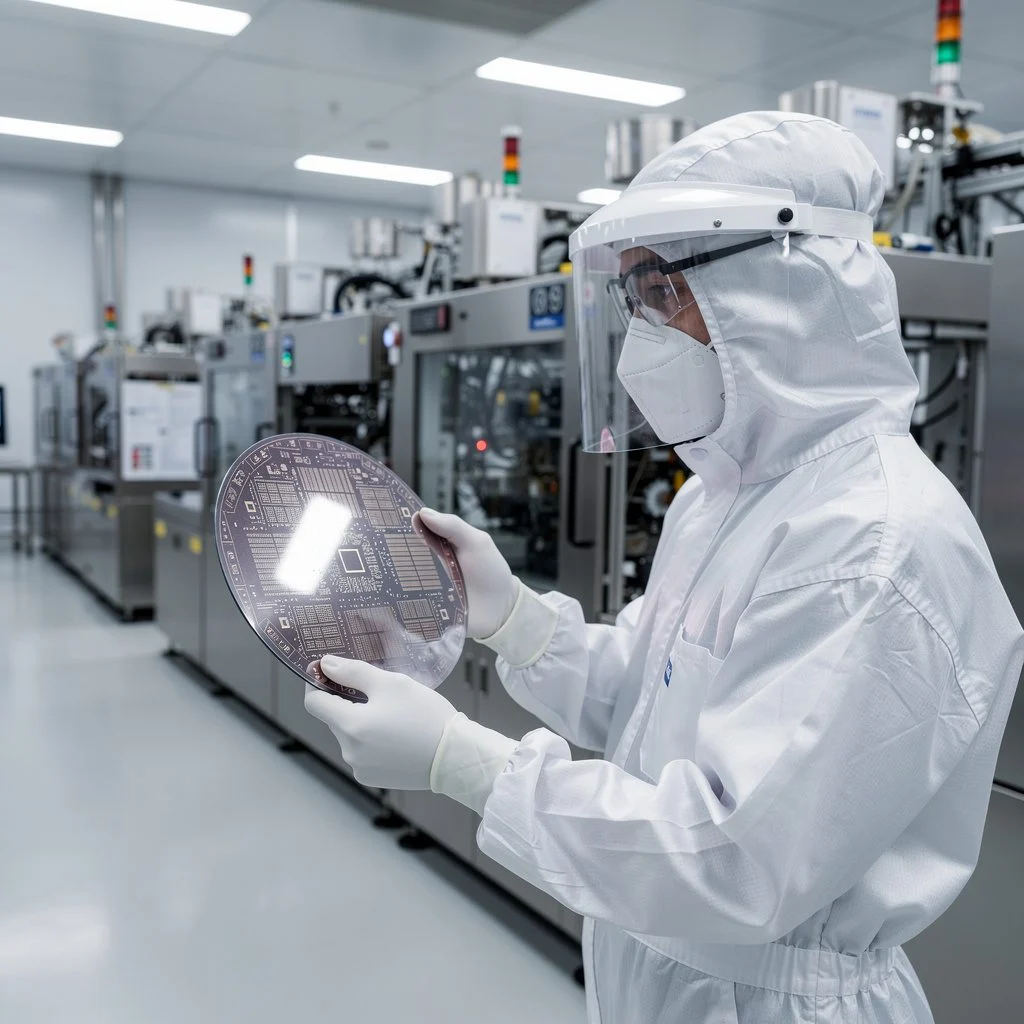
Samsung Electronics said during its third-quarter earnings conference call that it had signed long-term contracts with 10 customers and was negotiating with another 10. The same outlet added that the company “has already sold out its entire high bandwidth memory (HBM) production capacity for next year.”
SK hynix signed LTAs with 14 customers including major cloud computing companies, with contracts typically running five years. On its earnings call, SK hynix said customer requests for high-bandwidth memory exceed twice what it can supply and that its DRAM and HBM output is effectively sold out through 2029, according to Seoul Economic Daily.
Why Yuanta Sees a Supply “Super Squeeze”
Contracts are not the whole case. “In particular, Yuanta Securities analyzed that the memory industry will face a structural ‘Super Squeeze’ phase through 2028,” Yonhap Infomax reported. Yuanta’s view is that physical limits on new facility expansion keep supply short of demand, and that global big tech companies have already secured a significant portion of 2027-2028 production volumes through long-term supply agreements. That is one broker’s analysis, not company guidance.
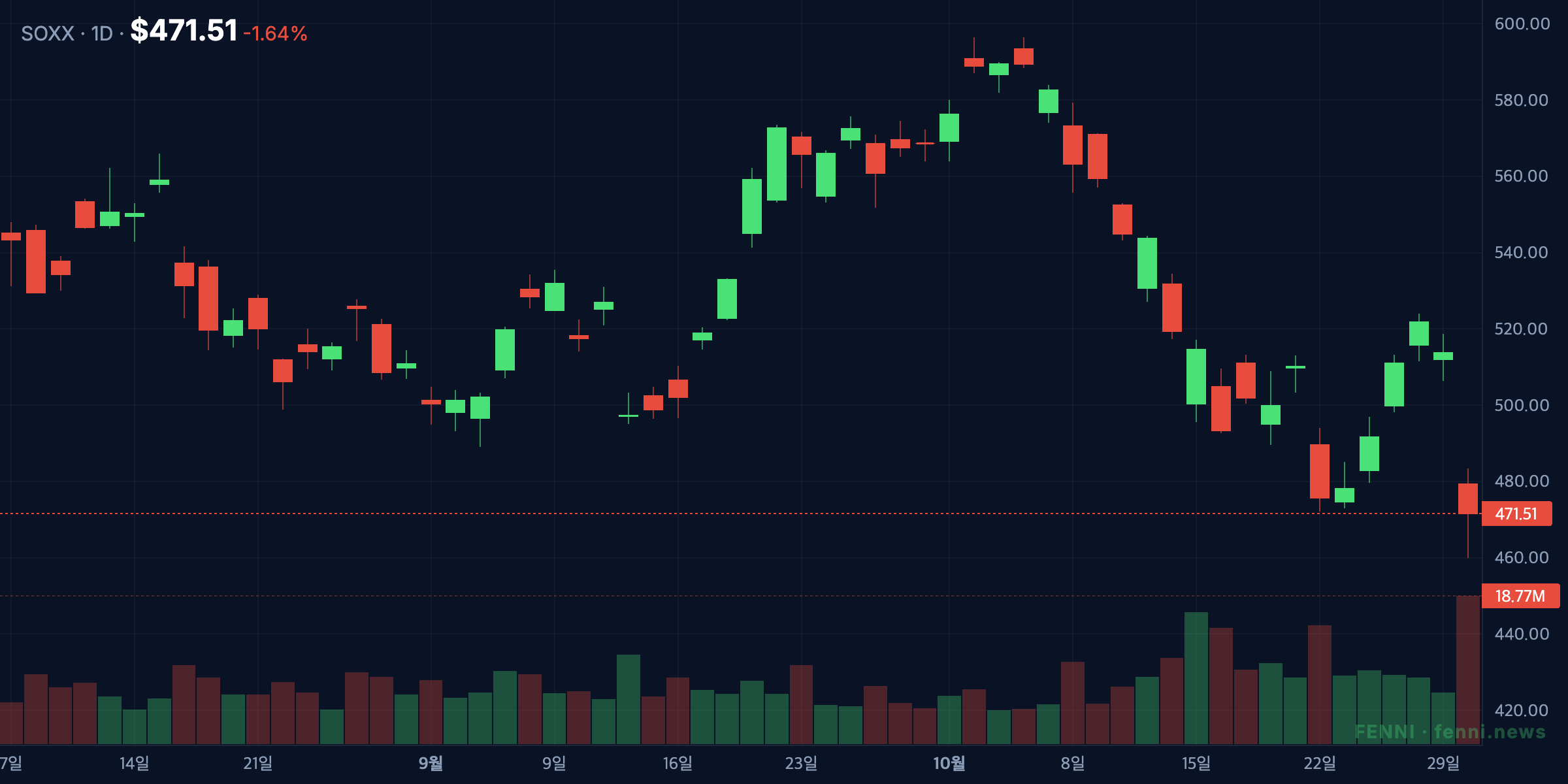
The spending backdrop carries a condition. CNA reported that AI-linked firms “were hit by another wave of selling as Wall Street giants including Amazon, Alphabet and Microsoft signalled they would keep pouring money into data centres and chips even as investors grow impatient for returns.”
Why the Market Is Selling Anyway
Record profits did not shield the shares. Samsung Electronics closed at 225,000 won, down 3.02 percent, while SK hynix plunged 7.08 percent to 1,418,000 won, and the Kospi fell 3.48 percent to close at 5,730.74. Seoul Economic Daily recorded that the two reported record quarterly operating profits of 107.4405 trillion won and 83.3338 trillion won, yet their shares fell 3.02% and 7.08%.
The doubt is about who pays for the AI buildout. The Motley Fool’s account of Nvidia’s Oct. 30 slide argued the catalyst “was the rising cost of artificial intelligence (AI) and the question of who will pay for it all.” Seoul Economic Daily reported only that “The slide in large-cap chip stocks follows a renewed flare-up of concerns over AI profitability in U.S. markets,” while Kiwoom Securities analyst Han Ji-young said “Capital expenditure is growing faster than operating cash flow is improving, raising uncertainty over payback periods and funding burdens.”

What to Watch Next
Concentration cuts both ways. Of the 296.4814 trillion won in fourth-quarter operating profit forecast for 188 KOSPI-listed companies, the combined figure for Samsung Electronics and SK hynix accounts for 73.4%, or 217.7417 trillion won. The two also moved in the same direction on 162 of the 202 trading days from the start of the year through Oct. 30, or 80.2%, according to Korea Exchange data, up from 161 of 242 trading days, or 66.5%, last year.
On the bullish side, Yuanta maintained buy ratings and expects a steep recovery in large-cap semiconductor stocks from November once supply-demand selling is absorbed. Watch whether long-term contract volumes keep expanding.
Frequently Asked Questions
How much of Samsung’s capacity is already committed?
Samsung Electronics said its entire HBM production capacity for next year is sold, and it holds long-term agreements with 10 customers while negotiating with another 10.
Is the memory shortage expected to persist?
SK hynix says DRAM and HBM output is effectively sold out through 2029, and Yuanta Securities expects a structural “Super Squeeze” phase through 2028.
Why are the shares falling on record profits?
Investors are questioning whether Big Tech AI spending produces sufficient returns. Both stocks fell 3.02% and 7.08% on Oct. 30 even as the companies posted record quarterly operating profits.
Disclaimer: This article is for informational purposes only and does not constitute financial advice. Cryptocurrency investments carry significant risk. Always conduct your own research before making investment decisions.