

As of November 2, 2026, the October 30 session remains the reference point for traders working out what comes next in the AI trade. All three major US indexes closed lower that Friday, and the Nasdaq Composite fell 2.86% to 25,437.00, its largest one-day percentage drop since June 5, after quarterly results from Intel and Amazon, which Reuters said amplified worries over AI-related companies’ massive spending. The ripple reached semiconductors, Korean memory chips, Nvidia and crypto.
Key Takeaways
- ▼ The S&P 500 tech sector posted its largest monthly percentage loss since March 2025, and the Nasdaq Composite ended 7.8% below its October 6 closing high.
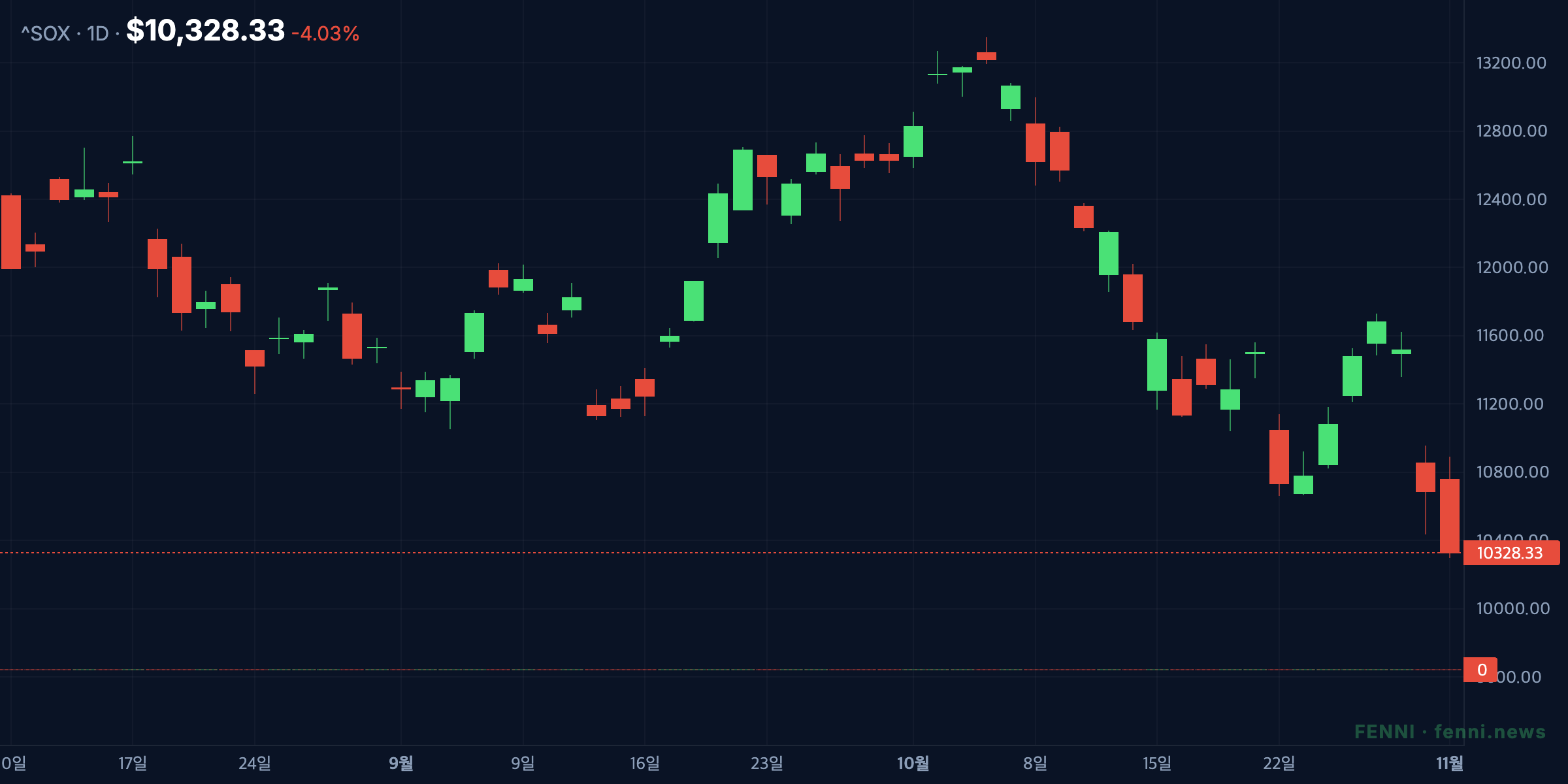
- ▼ Intel shares plunged 28.6% to 65.76 on Friday, when the Philadelphia semiconductor index fell 7.2%.
- ■ MoneyWeek estimates around $5 trillion of market value was lost as the Nasdaq 100 dropped more than 9% between its October 6 peak and month-end.
- ■ Nvidia reports third-quarter results on November 17; Apple, Palantir and AMD also report.
What happened on Friday, October 30?
The Dow fell 572.25 points, or 1.09%, to 51,770.31, the S&P 500 lost 140.32 points, or 1.82%, to 7,580.07, and the Nasdaq Composite lost 747.73 points, or 2.86%, to 25,437.00, according to Reuters, which noted all three main equity indexes closed lower on the week. The S&P 500 tech sector logged its largest monthly percentage loss since March 2025, and communication services its biggest monthly drop since April 2022.

Which earnings set the tone?
Reuters attributed the rout to disappointing quarterly results from Intel and Amazon released late on Thursday. Chip stocks moved sharply lower, with Nvidia down 4.2% and AMD sliding 10.9%, while Dell and HP dropped 10.8% and 9.6%. Investor’s Business Daily framed the chip move more narrowly: chip stocks plummeted Friday after Intel warned that sluggish personal computer sales would crimp its fourth-quarter results, with Intel stock tumbling 28.6% to close at 65.76 and the Philadelphia semiconductor index shedding 7.2%.
MoneyWeek adds the Alphabet numbers. It reports diluted earnings per share fell 26.1% year-on-year to $2.12, well short of analyst forecasts of $3.02, and that Alphabet’s shares tumbled by 12.6% the following day. It calls the week a turning point in how investors read the AI trade — the outlet’s characterisation, not a filing fact.
Why do AI cash-burn concerns matter for valuations?
In MoneyWeek’s framing, concerns over the scale of capital expenditure on artificial intelligence by the industry’s biggest tech companies have seen trillions of dollars wiped off their combined market valuation, with the Nasdaq 100 down more than 9% between its October 6 peak and month-end and estimates putting the losses at around $5 trillion. Reuters put the same tension in market terms: Oliver Pursche of Wealthspire Advisors said the week had been about the future of AI and whether there will be a positive return on investment, while MoneyWeek quotes Norman K.’s Grégoire Kounowski that investors now want to know when this spending will pay off, and how it will be financed.
How far did the selloff spread?
Reuters reported that cryptocurrency-related firms Coinbase, Strategy and Robinhood fell between 7.2% and 10.6% in the wake of reports hackers stole $6.3 billion from Binance. The Motley Fool reported that, as of early evening on November 2, Bitcoin fell 1.92% to $76,732.38 and Ethereum 1.08% to $2,248.12, and that Strategy announced its first Bitcoin purchase in two weeks, 811 BTC for approximately $65.5 million.
In Asia, Pulse reported Samsung Electronics and SK hynix fell in early trading Monday, tracking a sharp sell-off in US technology and semiconductor stocks, and said mounting cash-flow pressures reignited concerns over AI-industry profitability. Nvidia undercut its 200-day moving average on Monday after a recent breakout failed, according to Investor’s Business Daily, which cited investor exit from AI names.

What to watch next?
MoneyWeek says the key to whether stocks recover will be upcoming earnings releases from Apple, Palantir and Advanced Micro Devices, and notes that this is not the first time investor sentiment has led to AI selloffs over the last four years — the outlet’s analysis, not a forecast with a price target. Investor’s Business Daily notes Nvidia is scheduled to report third-quarter results on November 17, with analysts polled by FactSet targeting earnings of $2.47 per share.
Frequently asked questions about the selloff
How big was the Nasdaq’s drop on October 30, 2026?
The Nasdaq Composite lost 747.73 points, or 2.86%, to close at 25,437.00, according to Reuters, which called it the index’s largest one-day percentage drop since June 5 and noted it stood 7.8% below its October 6 all-time closing high.
Did AI spending concerns alone cause the selloff?
The cited reports describe the move and the earnings disappointments together rather than establishing a single cause. Reuters attributed the rout to Intel and Amazon results released late on Thursday and said they amplified worries over AI-related spending; MoneyWeek and Pulse frame the selloff around scepticism over AI capital expenditure. Those are the outlets’ characterisations.
How did chip stocks perform?
On Friday, the Philadelphia semiconductor index fell 7.2%, Nvidia dropped 4.2% and AMD slid 10.9%, according to Reuters, while Investor’s Business Daily reported Intel stock tumbled 28.6% to close at 65.76. On Monday, Nvidia undercut its 200-day moving average and Samsung Electronics and SK hynix fell in early trading, per those publications.
Disclaimer: This article is for informational purposes only and does not constitute financial advice. Cryptocurrency investments carry significant risk. Always conduct your own research before making investment decisions.